



How to Handle Roof Storm Damage: Step-By-Step Guide for Homeowners
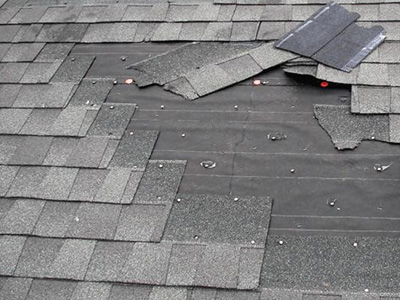 Severe storms can take a serious toll on your roofing, often leaving behind damage that isn't immediately obvious. High winds, hail, heavy rain, and falling debris can compromise shingles, flashing, and underlying materials, putting your home at risk for leaks and structural issues. Knowing how to respond quickly and correctly after a storm can help minimize damage, protect your property, and streamline the repair process. This step-by-step guide walks homeowners through exactly what to do after roof storm damage occurs.
Step 1: Prioritize Safety First
Before inspecting your roof, make sure conditions are safe. Avoid going outside during ongoing storms or high winds. Once the weather clears, look for downed power lines, loose tree limbs, or unstable structures around your property. Never climb onto a wet or visibly damaged roof, as it may be slippery or structurally unsafe. Safety should always come before assessment.
Step 2: Perform a Ground-Level Visual Inspection
Start by inspecting your roof from the ground or from inside your home. Look for missing or lifted shingles, sagging rooflines, dented gutters, or debris on the roof. Inside, check ceilings, attic spaces, and walls for water stains, damp insulation, or signs of leaks. These early indicators can help identify areas that need immediate attention.
Step 3: Document All Visible Damage
Proper documentation is critical, especially if you plan to file an insurance claim. Take clear photos and videos of any visible roof damage, both exterior and interior. Capture wide shots as well as close-ups of missing shingles, cracked flashing, hail impacts, and water intrusion. Keep notes about when the storm occurred and what damage you observed. This information can be extremely helpful during inspections and claim reviews.
Step 4: Prevent Further Damage with Temporary Measures
If your roof has active leaks or exposed areas, temporary protection is essential. Using tarps or plastic sheeting can help keep water out until professional repairs are completed. Avoid attempting permanent repairs yourself, as improper fixes can worsen the damage or void warranties. Temporary solutions are meant only to stabilize the situation until a qualified roofing contractor can assess the roof.
Step 5: Contact a Professional Roofing Contractor
A professional roof inspection is one of the most important steps after storm damage. An experienced roofing contractor can identify hidden issues that may not be visible from the ground, such as compromised underlayment, flashing damage, or weakened decking. A thorough inspection ensures that all storm-related damage is properly addressed, not just the obvious problems.
Step 6: Review Repair Recommendations and Estimates
After the inspection, your roofing contractor should provide a detailed explanation of the damage and recommended repairs. This may range from minor shingle replacement to more extensive repairs or even full roof replacement, depending on the severity of the storm. Review the estimate carefully and ask questions about materials, timelines, and warranties so you fully understand the scope of work.
Step 7: File and Manage Your Insurance Claim
If the damage is significant, contact your insurance company as soon as possible to begin the claims process. Provide them with your documentation and contractor inspection report. Be prepared for an insurance adjuster to inspect your roof. Having a professional contractor available during this inspection can help ensure that all damage is properly identified and included in the claim.
Step 8: Schedule Repairs Promptly
Once your claim is approved or you decide to move forward with repairs, schedule the work promptly. Delaying roof repairs can allow minor damage to worsen, leading to leaks, mold growth, or structural issues. Timely repairs not only restore your roof's integrity but also protect the value and safety of your home.
Step 9: Plan for Future Storm Protection
After repairs are completed, consider proactive steps to strengthen your roof against future storms. This may include impact-resistant shingles, improved flashing systems, reinforced underlayment, or regular maintenance inspections. Preventive measures can reduce the risk of future damage and extend the lifespan of your roof.
Why Professional Guidance Matters
Storm damage isn't always obvious, and overlooking small issues can lead to costly repairs later. Working with a trusted roofing contractor ensures that your roof is properly evaluated, repaired, and protected. Professional expertise provides peace of mind, knowing your home is safeguarded against the elements.Trust Beebe Roofing & Contracting, LLC
At Beebe Roofing & Contracting, LLC, we understand how stressful roof storm damage can be for homeowners. Our team is experienced in storm damage inspections, repairs, and replacements, and we guide you through each step of the process with clear communication and dependable craftsmanship. If your roofing has been impacted by a recent storm, contact Beebe Roofing & Contracting, LLC via this Online Form, or call us at 267-718-6931 to schedule a professional inspection and protect your home with confidence.<< Back to ARTICLES